A camera at 100 metres. For weeks, not minutes.

Loftwatch builds tethered micro-aerostats that hold a sensor over a site around the clock. Power goes up and video comes down a hair-thin fibre tether. Nothing aloft needs charging, and nothing transmits a radio signal.

Prototype in development in India. First field deployments planned for 2027.
100 mWorking height, above every mast
2–4 wkAloft per helium fill
0 RFFibre link that can't be jammed or traced by radio
1Operator to deploy, from one carry case

Figures are design targets for the first production unit and will be confirmed in flight testing.
The gap

Every eye in the sky today blinks.

Crowds, disaster zones and long perimeters need a view that stays put. The tools available either land, stop short of the height, or take months to install.

DronesLand every 30–40 minutes to swap batteries, are loud, and are restricted over crowds.
Tethered dronesStay up longer, but burn kilowatts and still need constant attention.
Masts and towersTop out around 10–30 m, or take months of civil work for a fixed site.
Large aerostatsNeed a crew, a truck and a mooring site. Built for borders, not for a weekend festival.

Platform

Three parts. Nothing aloft that needs charging.

Lens envelope

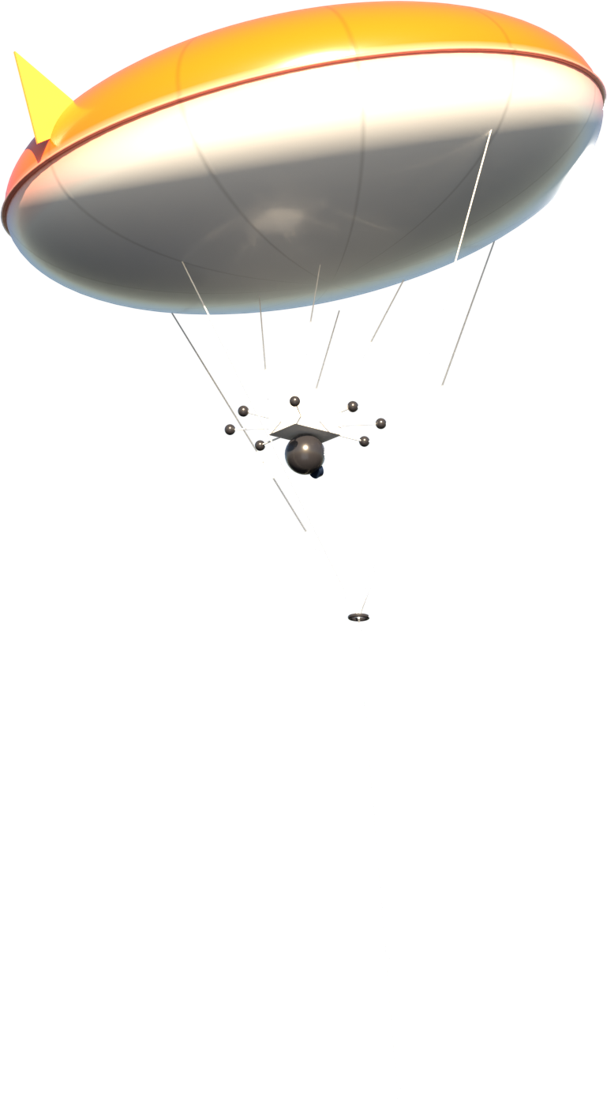
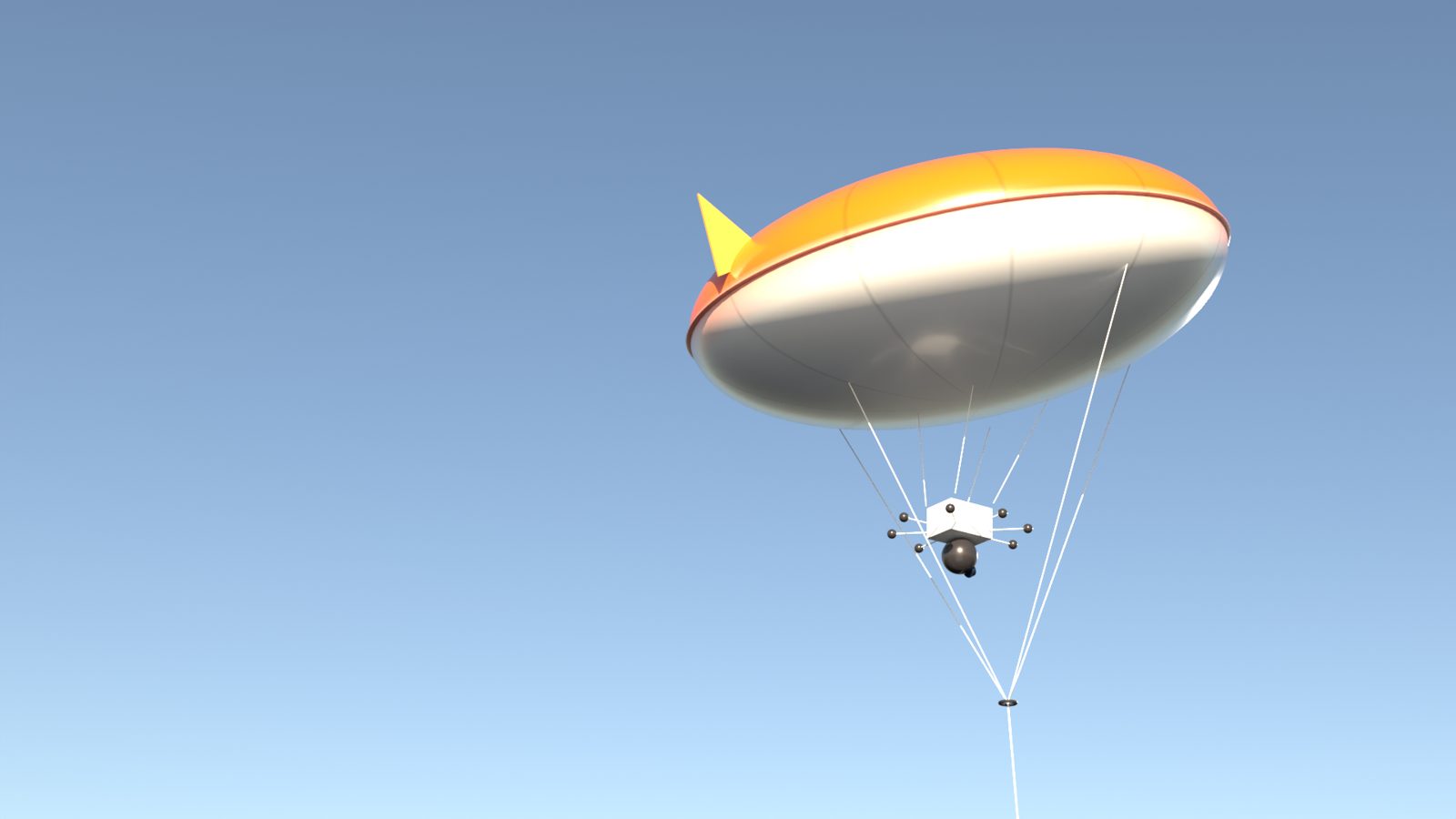
A 1.8 m lens-shaped balloon that flies like a kite in wind, holding height where a round balloon is pushed down. A tough fabric cover protects a low-leak barrier bladder inside.

Fibre tether

Optical fibre carries full-resolution video down and thin conductors carry power up. No battery to swap aloft, no radio link to jam or detect.

Ground station

Power, winch, recording and a live view in one carry case. Streams to an existing command centre or a laptop on site.

Render of the Loftwatch lens aerostat in flight with its camera pod and tether
Concept render of the first Loftwatch unit. Hardware photos will replace this as flight testing begins.

Missions

Built for places where the view can't blink.

Crowds and mass gatherings

Melas, festivals, rallies and stadiums. A silent overhead view of crowd density from first light to last, feeding the control room.

Silent and out of the way over crowds, where drones are often restricted.

Disaster response

Floods, earthquakes and fires. Launched by one responder to give a lasting picture of the zone when towers and networks are down.

Up in minutes, and it stays up.

Perimeters and borders

Long fences, forward posts and remote installations that need a continuous eye without a permanent tower.

No radio signature to find or jam.

Construction and infrastructure

Large sites, solar parks and yards. Daily progress records and night security from one point above it all.

One unit can replace dozens of camera poles.

Compare

Where Loftwatch fits.

LoftwatchQuadcopter droneTethered droneMast camera
Time aloftWeeks per fill (target)30–40 minutesHours to daysFixed
Height100 mUp to 120 m~50–100 m10–30 m
Power aloftA few wattsBatteryKilowatts via tetherMains
NoiseSilentLoudLoudSilent
Radio emissionsNone (fibre)YesUsually noneVaries
Crew11–2 per shift2Install crew
LimitsHigh wind, storms, helium supplyEndurance, crowd rulesPower, costHeight, setup time

Pilot program · 2027

Founding pilot partners.

We're selecting a small number of organisations for our first field deployments. Partners get priority units, input on the design and founding pricing.

  • 1. Tell us the siteWhere, what you need to see, and for how long.
  • 2. Scoping callWe work through height, coverage, permissions and power on site.
  • 3. Reserve a slotA non-binding letter of intent. No payment until a unit is ready to fly for you.

This opens your email app with the details filled in. You can also write to us directly at pilots@loftwatch.com.

Company

Built in India, for the long watch.

Loftwatch is founded by engineers from Lovely Professional University and the Army Institute of Technology, Pune. Our founding team won 3rd prize in DRDO's Dare to Dream 5.0 innovation contest (individual category) for an AI and blockchain product-lifecycle system. We design the envelope, the tether and the ground system ourselves, and we test everything in the field.

NowEnvelope and tether prototyping. Low-altitude flight tests.
NextWeek-long flights at 100 m. First pilot deployments.
LaterRugged field variant and drone detection from the same platform.